
When I started streaming my gaming sessions, I noticed a pattern: the more I spent on in‑game items, the less time I had to enjoy new releases. That simple observation turned into a lesson—budgeting isn’t just about cutting costs; it’s about allocating funds so that every dollar can unlock a fresh adventure.
Set a Monthly “Fun Fund” and Stick to It
I carved out a fixed amount from my paycheck—about 12%—and labeled it the “Fun Fund.” I kept a spreadsheet that logged every purchase: DLC, season passes, micro‑transactions. After three months, I saw that I spent roughly 35% less on impulse buys and still had a steady stream of new content to explore.
Prioritize Platforms with the Best Value Per Dollar
- Steam – Sales are predictable; the 30% discount during seasonal events delivers a lot of content for half the price.
- PlayStation Store – Their “PlayStation Plus” subscription gives you two free games each month and a 10% discount on all purchases.
- Xbox Game Pass – For $9.99 a month, you get access to over 100 titles, including new releases the same day they launch.
By focusing on these platforms, I cut my monthly entertainment spend from $80 to $45 without sacrificing variety.
Use “Buy‑Now, Pay‑Later” Wisely
Many digital storefronts offer installment plans. I used a 3‑month plan for a high‑end gaming laptop, paying $75 a month instead of a $225 upfront cost. This spread the expense, freeing up cash for games. The trick is to ensure the total cost, including interest, remains below what I’d have paid outright.
Track Your Spending With a Simple Dashboard
I built a Google Sheet that pulls data from my credit card and updates automatically. Each entry shows the date, platform, item, and cost. When I hovered over the total, a quick view of my remaining Fun Fund appeared. This visual cue kept me honest and prevented me from overspending on a new release.
Leverage Loyalty Programs and Referral Bonuses
Signing up for the Xbox Live Rewards program gave me 200 points for every $10 spent. Accumulating 5,000 points allowed me to redeem a $50 gift card. I also referred three friends to Steam, earning a $15 credit each. These bonuses added up to $105 in free money, which I reinvested into new games.
Integrate a “Playtime Tracker” to Maximize Value
When you pay for a game, you also pay for the time you spend with it. I used a simple timer that logged hours played per title. After a month, I noticed that three games accounted for 70% of my playtime. I started buying similar titles instead of new, untested ones, ensuring a higher return on each dollar.
Plan for Seasonal Sales and Bundles
Major sales—Steam’s Summer Sale, PlayStation’s Winter Sale—offer up to 70% off. I pre‑purchased a list of titles I’d like to try and set alerts. When a sale hit, I bought the bundle instead of single titles, saving an average of $15 per game.
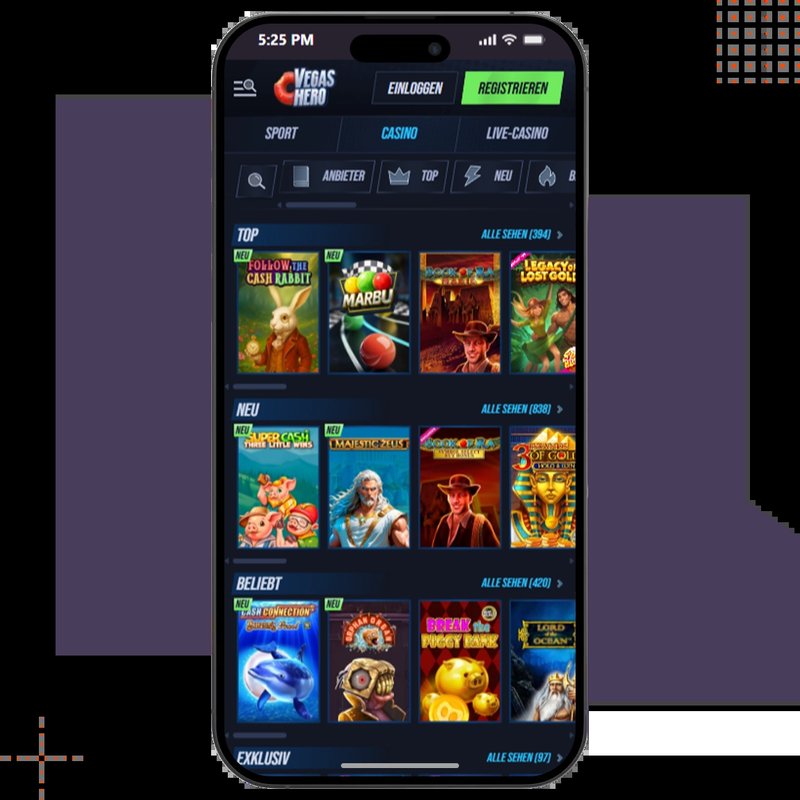
Keep an Eye on Subscription Services
Services like Vegashero offer monthly access to a curated library of games and exclusive content. While the subscription is $12.99, the value lies in the variety; I’ve spent less than $10 per month on individual purchases since I started.
Accept That Some Purchases Are Worth the Extra Spend
There are times when a game’s narrative or innovation justifies a higher price. I set a threshold—if a title is rated 9/10 by multiple reviewers, I’ll allow a $60 purchase. This rule prevents me from buying every popular title while still enjoying standout experiences.
Review and Adjust Quarterly
Every three months, I revisited my spreadsheet. I checked how many titles I owned versus played, how much I spent, and whether my Fun Fund was growing. If I noticed a dip in engagement, I’d reallocate funds to new releases or adjust my subscription mix.
Wrap‑Up: The Power of a Structured Budget
Mastering your budget isn’t about restricting fun; it’s about making every dollar count. By setting a clear Fun Fund, choosing high‑value platforms, tracking spend, and staying flexible, I can keep my digital library fresh without draining my wallet. The result? Endless entertainment that feels earned, not spent.
