
Understanding the Draw of Gambling
The allure of gambling at casinos is a fascinating psychological phenomenon. Many individuals are captivated by the thrill of risk and the hope of winning significant amounts, which triggers the brain’s reward system. This rush of excitement releases dopamine, a neurotransmitter associated with pleasure, creating a cycle where gamblers continually seek that exhilarating experience, especially when they explore options like payid pokies australia which offer unique opportunities to win. Delving into this draw reveals why individuals are compelled to engage in gambling activities, often in defiance of the odds stacked against them.
Moreover, the environment of casinos is meticulously designed to amplify this thrill. Bright lights, vibrant colors, and enticing sounds create an immersive atmosphere that captures attention and evokes excitement. Every corner of a casino is engineered to stimulate the senses; from the ringing of slot machines to the buzz of card games, these sensory experiences can make it easy for players to lose track of time. This carefully crafted environment plays a pivotal role in reinforcing gambling behaviors, leading to a deeper understanding of the psychological mechanisms that underpin these experiences.
Another compelling factor contributing to the appeal of gambling is the social aspect involved. Many people view casinos as social hubs, where they can engage with others while enjoying various games. This communal environment fosters camaraderie and shared excitement, making the experience even more enjoyable. The interactions with fellow gamblers can create a sense of belonging and serve as an escape from everyday life, further solidifying the psychological draw of casinos and their games.
The Role of Cognitive Biases in Gambling
Cognitive biases play a significant role in influencing gambling behavior, often leading individuals to make irrational decisions that can result in financial losses. One of the most prevalent biases is the illusion of control, where players believe they can influence the outcome of a game through their skill or actions. This belief can be especially strong in games like poker or blackjack, where players may overestimate their ability to win. Such biases can lead to risky betting behaviors, including chasing losses, which can exacerbate gambling issues and contribute to addiction.
Another notable cognitive bias is the gambler’s fallacy, which manifests when individuals believe that past events can influence future outcomes in random games. For instance, if a roulette ball lands on red several times in succession, players may incorrectly assume that black is “due” to win. This misunderstanding of probability can lead to misplaced confidence and increased wagers, as gamblers mistakenly believe they can predict outcomes based on previous results. Recognizing this bias is crucial for understanding the flawed reasoning that can lead to poor gambling decisions.

Furthermore, confirmation bias significantly influences gambling behavior. Gamblers tend to remember their wins while conveniently overlooking their losses, reinforcing a distorted sense of success. This selective memory can cultivate an illusion of being a lucky player, driving individuals to continue gambling despite the reality of their financial situations. Acknowledging and understanding these cognitive biases is essential for comprehending gambling addiction and the psychological dynamics at play within casino environments.
The Impact of Emotions on Gambling Decisions
Emotions wield a powerful influence over gambling choices, often dictating the decisions made within a casino. When individuals experience stress or anxiety, they may seek solace in gambling as a coping mechanism, believing that the potential for a win can alleviate their emotional distress. Conversely, feelings of excitement can lead to impulsive betting, where individuals act without fully considering the consequences. These emotional responses create a cycle that perpetuates gambling behavior, making it increasingly challenging for individuals to regain control of their actions.
The excitement of winning can create a euphoric state that reinforces gambling behavior. When players experience a substantial win, their emotional response encourages them to continue playing in hopes of replicating that exhilarating feeling. This emotional high can overshadow rational thinking, leading to increased risk-taking and, ultimately, greater financial losses. Understanding the emotions tied to gambling is vital in explaining why individuals may struggle to step away from the table or slot machines, even when they know it’s in their best interest.
It is equally important to acknowledge the role of negative emotions in gambling. Some players may turn to gambling as a form of escapism to avoid confronting feelings of sadness, loneliness, or depression. In these cases, gambling can become a harmful coping strategy that exacerbates underlying emotional issues. Recognizing these emotional triggers is critical in developing effective strategies for responsible gambling and addressing potential gambling addiction, ultimately leading to healthier coping mechanisms.
Setting Limits: The Importance of Responsible Gambling
Responsible gambling is a crucial concept that emphasizes the importance of setting personal limits to prevent the negative consequences associated with excessive gambling. Understanding one’s individual limits is vital for maintaining a healthy relationship with gambling. This involves establishing strict budgets and time constraints before entering a casino, ensuring that the experience remains enjoyable rather than harmful. By acknowledging the potential for loss and setting boundaries, players can relish the thrill of gambling while avoiding destructive behaviors.
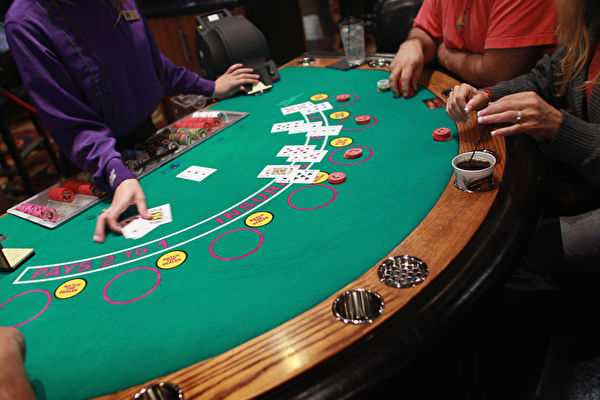
Additionally, casinos have begun to implement various responsible gambling initiatives, such as self-exclusion programs and educational resources designed to promote awareness of gambling risks. These initiatives empower players, encouraging them to recognize their behaviors and seek help when necessary. By cultivating a culture of responsible gambling, both casinos and players can collaboratively mitigate the adverse effects associated with gambling addiction, creating a safer environment for all.
Moreover, being aware of the signs of problematic gambling is vital for early intervention. Players should reflect on their gambling patterns and recognize when enjoyment has devolved into compulsion. Access to helplines, support groups, and counseling services is crucial for individuals who may find themselves struggling with their gambling habits. By prioritizing responsible gambling practices, players and casinos alike can contribute to a gaming environment that emphasizes fun and enjoyment over risk and loss.
Exploring Further on Gambling Psychology
For those interested in delving deeper into the psychology of gambling, a wealth of resources and scholarly studies exists that explore this multifaceted topic. Research continues to uncover the complexities behind why people gamble and how various psychological factors influence their behavior. By understanding the motivations, biases, and emotional aspects at play, individuals can become more informed about their gambling habits, making educated decisions that prioritize their well-being.
Engaging with psychological literature can yield insights into gambling treatments and interventions, with many scholars and psychologists dedicating their research to developing effective therapeutic strategies for addressing gambling addiction. This body of work highlights holistic approaches that combine behavioral therapy and cognitive-behavioral techniques, aiding individuals in regaining control over their gambling impulses and fostering healthier habits.
By fostering an environment of awareness and education, individuals can better navigate the world of gambling, ensuring their experiences remain positive and enjoyable. Whether through self-reflection, academic research, or reaching out for help, exploring the psychology of gambling provides valuable insights that can lead to healthier gambling practices and a more fulfilling life outside the casino. By understanding the deeper psychological elements, individuals can make choices that enhance their overall gaming experience while safeguarding their mental well-being.
